
 24 Sep 2026
Why Singapore Parents Choose Shichida & Heguru for Early Education
If you’re a parent in Singapore exploring early education options, you’ve probably come across right brain training for toddlers through programmes such as Shichida and Heguru. Both have become increasingly popular with families looking for more than a traditional preschool experience. They focus on developing your child’s potential through methods that differ significantly from conventional learning approaches.
What Makes These Programmes Different
Shichida and Heguru are Japanese educational methods that emphasise right brain training for toddlers. The philosophy behind both programmes is straightforward: young children’s brains are naturally capable of learning far more than we often expect.
Shichida uses flashcards and image recognition to strengthen memory and accelerate learning. Heguru combines mental arithmetic and problem-solving activities with right brain development for young children. Although their teaching methods differ, both aim to unlock your child’s natural learning potential during the crucial early years.
These programmes focus on more than academic achievement. They also nurture thinking skills, creativity, and confidence that children can benefit from throughout their lives.
Why Singapore Parents Are Making This Choice
1. Early Brain Development Matters
Singapore’s competitive education landscape means many parents appreciate the importance of starting early. Research shows that the first five years of life are critical for brain development. During this period, a child’s brain forms new connections at an extraordinary rate.
Right brain training for toddlers helps strengthen learning pathways that traditional preschool programmes may not emphasise. Children often develop:
- Stronger memory and faster information processing
- Better concentration and attention
- Greater creativity
- Improved problem-solving abilities
- Increased confidence in learning environments
Many parents view these improvements as valuable advantages when their children begin primary school.
2. Proven Results Across Asia
Both programmes originated in Japan and have built strong reputations across Asia. In Singapore, Hong Kong, and South Korea, many families have reported noticeable improvements in their children’s learning abilities.
Parents are not choosing these programmes based only on theory. Many see practical outcomes, including earlier reading skills, stronger problem-solving abilities, and more confident learning. These positive experiences give parents greater confidence in their decision.
3. Structured Yet Enjoyable Learning
A common concern is whether structured programmes place too much pressure on young children. Both Shichida and Heguru address this by delivering lessons through engaging, play-based activities.
Children are encouraged to enjoy learning through:
- Music and rhythm activities that develop coordination
- Physical movement that strengthens motor skills
- Visual games that improve observation skills
- Interactive activities that build concentration
Because lessons are enjoyable, children often look forward to attending each session, making learning both engaging and sustainable.
4. Personalised Attention and Support
These centres typically maintain small class sizes, with around four to six children per teacher. This allows each child to receive individual guidance and feedback suited to their learning pace.
Teachers carefully observe every child’s strengths and adapt activities accordingly. Some children progress more quickly in certain areas, while others develop different skills at their own pace. The small-group environment naturally supports these individual learning needs.
How Right Brain Training for Toddlers Works
The Flash Card Method
Shichida’s approach to right brain training for toddlers uses rapid flashcard presentation. Cards showing letters, numbers, images, or concepts are displayed briefly, sometimes for only one or two seconds. This helps train your child’s brain to process information quickly and retain it more effectively.
The technique may seem unusual at first, but it reflects the way young brains naturally absorb information. Toddlers process visual information at remarkable speed, and this method channels that natural ability into structured learning.
Integration of Music and Movement
Movement plays an essential role in both programmes. Physical activities are not simply breaks between lessons; they are valuable learning tools. Dance, rhythm exercises, and coordination activities all contribute to healthy brain development.
Music is equally important because it stimulates multiple areas of the brain at the same time. When your child participates in music and movement activities, they strengthen neural pathways that support academic learning, emotional development, and social skills.
Home Practice and Family Involvement
Learning does not end when the lesson finishes. Teachers provide parents with practical guidance on reinforcing learning at home through simple daily activities. This partnership extends your child’s learning well beyond the classroom.
Parents receive clear guidance on:
- Daily activities to practise at home
- Encouraging learning through play
- Tracking progress and developmental milestones
- Building concentration and focus
This involvement allows parents to become active participants in their child’s development rather than simply observing from the sidelines.
Why Singapore Is Ideal for These Programmes
Singapore’s education culture places strong emphasis on early childhood development and continuous learning. Many parents recognise that investing in the early years can provide lasting benefits. The competitive primary school environment also encourages families to build strong learning foundations from a young age.
Singapore’s multilingual environment also complements these programmes well. Right brain training for toddlers helps children process and retain multiple languages more effectively. Families raising bilingual or multilingual children often find these programmes especially beneficial.
Addressing Real Parent Concerns
Can very young children benefit?
Yes. Both programmes welcome children from as young as three months old. Starting early provides more opportunities to build strong developmental foundations during the most important years of brain growth.
Will my child feel stressed or pressured?
No. These programmes are based on play-centred learning principles. Children experience the lessons as enjoyable games and engaging activities rather than formal academic instruction.
What if my child doesn’t show immediate results?
Every child develops at their own pace. Some children make rapid progress in particular areas, while others improve gradually across a wider range of skills. Although progress is often noticeable within a few months, every child’s developmental journey is different.
Is it worth the cost?
These programmes generally cost more than conventional preschool enrichment classes. Whether they represent good value depends on your family’s priorities and budget. Many Singapore parents consider the investment worthwhile because of the developmental benefits and potential long-term learning advantages.
What Parents Observe
Families who enrol their children in these programmes frequently notice positive changes, including:
- Improved focus and attention span
- Earlier reading development
- Stronger memory retention
- Greater enthusiasm for learning
- Better social interaction with peers
- Increased confidence in unfamiliar situations
Many parents begin noticing these improvements within the first few months, strengthening their confidence in the programme.
Making Your Decision
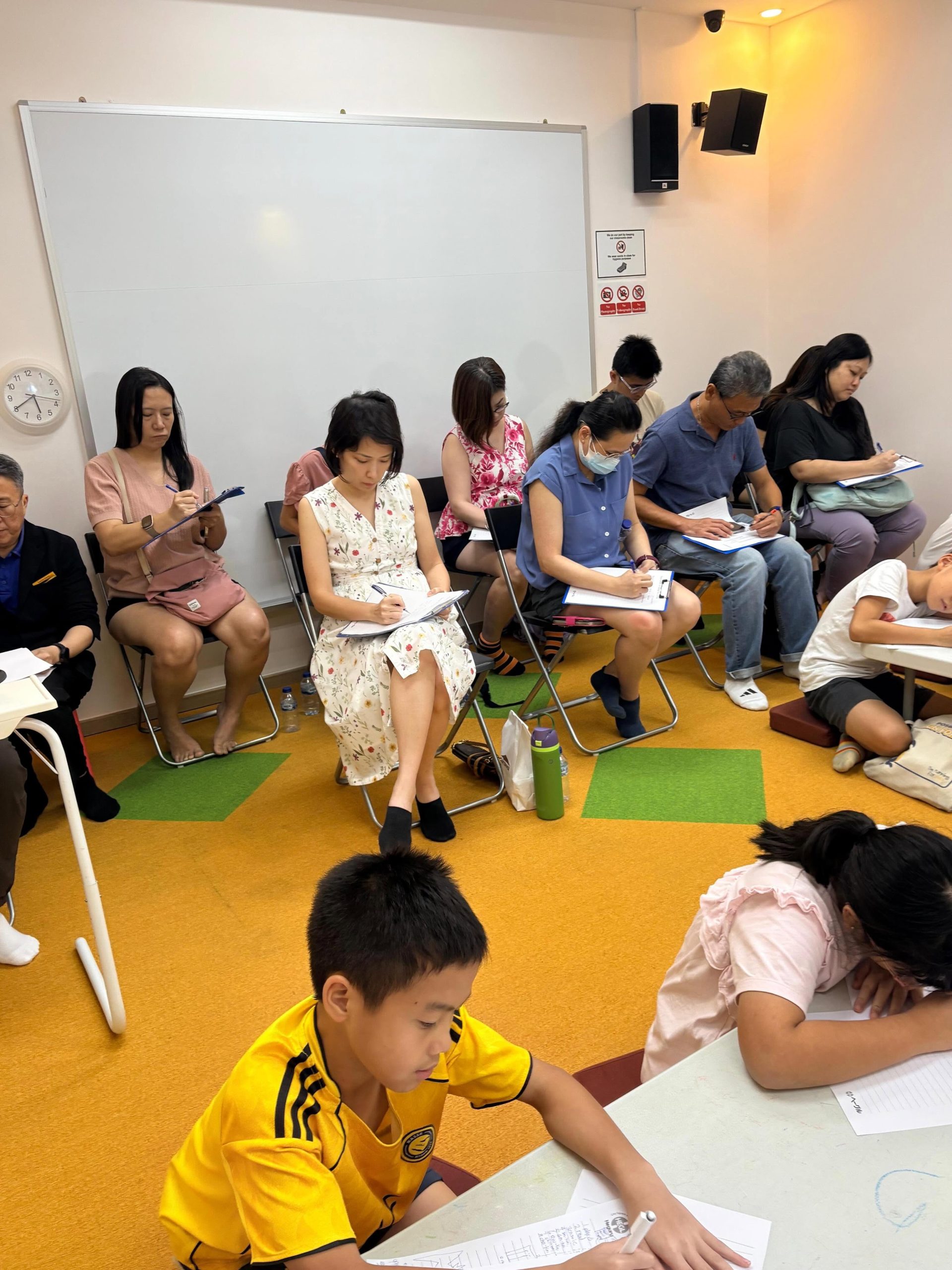
Visit several centres whenever possible and observe a lesson before deciding. Ask about the teaching methods, educators’ qualifications, and curriculum focus. Every centre offers slightly different strengths. Some place greater emphasis on academic development, while others focus more on creativity and emotional intelligence.
Think carefully about your family’s priorities. Whether you value academic readiness, creative thinking, or emotional development most will help determine which programme is the best fit for your child.
Conclusion
Shichida and Heguru have established themselves as respected names within Singapore’s early childhood education landscape. Their structured approaches to right brain training for toddlers have helped many families support their children’s early development.
Although these programmes are not miracle solutions, they combine research-based teaching methods with supportive learning environments. Together with active parental involvement at home, they can make a meaningful contribution to your child’s learning journey.
The foundation established during these early years can influence how your child approaches learning well into the future. Whether you choose one of these programmes or another quality early education pathway, investing in your child’s development is an investment in their future.